
Real-Time Video Dating
Ditch Traditional Texts
A product concept rethinking online dating by replacing slow, text-based conversations with instant, face-to-face video connections.

-
Role: Product Manager
-
Focus: Product Strategy, UX Flow, Feature Prioritization
-
Core Differentiator: Instant Video Matching
-
Type: Product Concept / Prototype
-
Timeline: 6 Months


Overview
Lively challenges the dominant dating app model built around prolonged texting and delayed interaction. Instead of messaging back and forth, Lively enables users to connect through live video almost immediately after matching — creating faster, more authentic connections.
The Problem
Traditional dating apps rely heavily on text-based conversations, which often lead to slow engagement, misrepresentation, and ghosting. Users invest time messaging without knowing if real chemistry exists.
The goal with Lively was to reduce friction and uncertainty by allowing users to assess compatibility face-to-face, early in the experience.

My Role
01
Defined the core product vision and differentiator
02
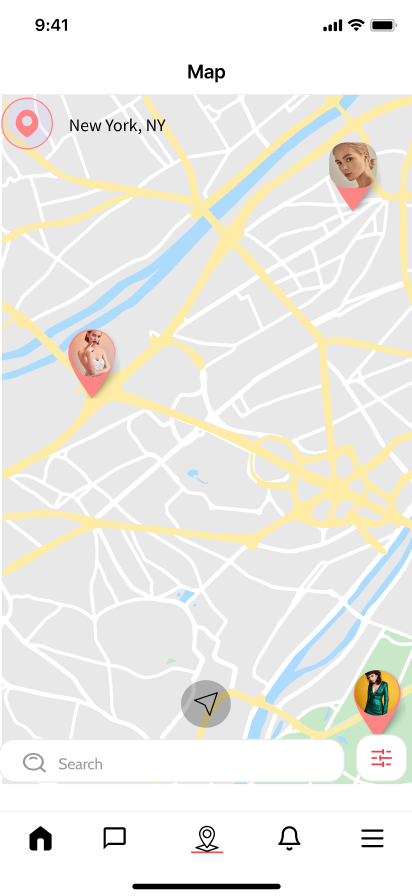
Designed the live-matching and video call flow
03
Prioritized features around speed and authenticity
04
Considered trust, safety, and user comfort in real-time interactions
Product Decisions & Design Approach
Rethinking the Match Flow
Instead of encouraging extended messaging, I designed a flow where users could initiate a live video interaction shortly after matching. This shifted the product from passive browsing to active engagement.
UX for Live Interaction
The UX focused on reducing friction and anxiety around live video by introducing clear entry points, time-bound calls, and simple controls that made going live feel intentional rather than intrusive.
Feature Prioritization
Secondary features like long-form messaging were intentionally deprioritized to reinforce Lively’s core value: real-time connection over prolonged text conversations.


Talk

Connect
Outcome & Learnings
Lively demonstrated how shifting the primary interaction from text to live video fundamentally changes user behavior and expectations.
This project reinforced the importance of anchoring every design and product decision around a single, clear differentiator rather than feature parity.

Next Steps
Future iterations would focus on trust and safety mechanisms, user onboarding to reduce video anxiety, and testing different timing models for initiating live interactions.
